




Beyond the Mine: Why India’s Mineral Future Depends on Refining
In Short: India is racing toward a high-tech, clean-energy future, driven by ambitious climate goals…
In Short: India is racing toward a high-tech, clean-energy future, driven by ambitious climate goals…
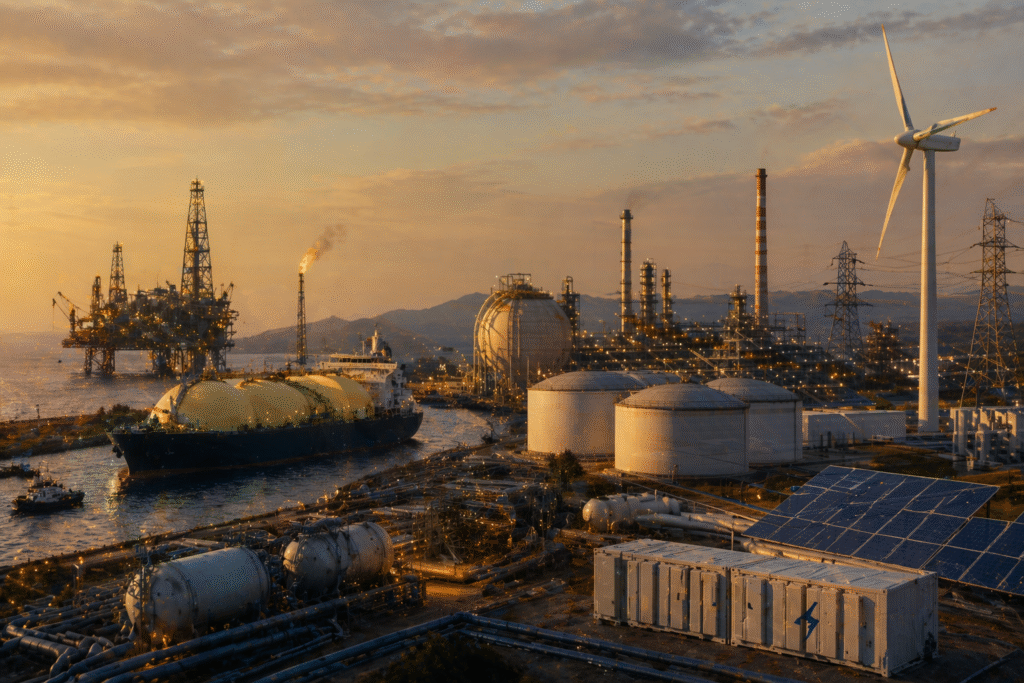
In Short: The resurgence of geopolitical conflict in the Middle East, punctuated by disruptions in…
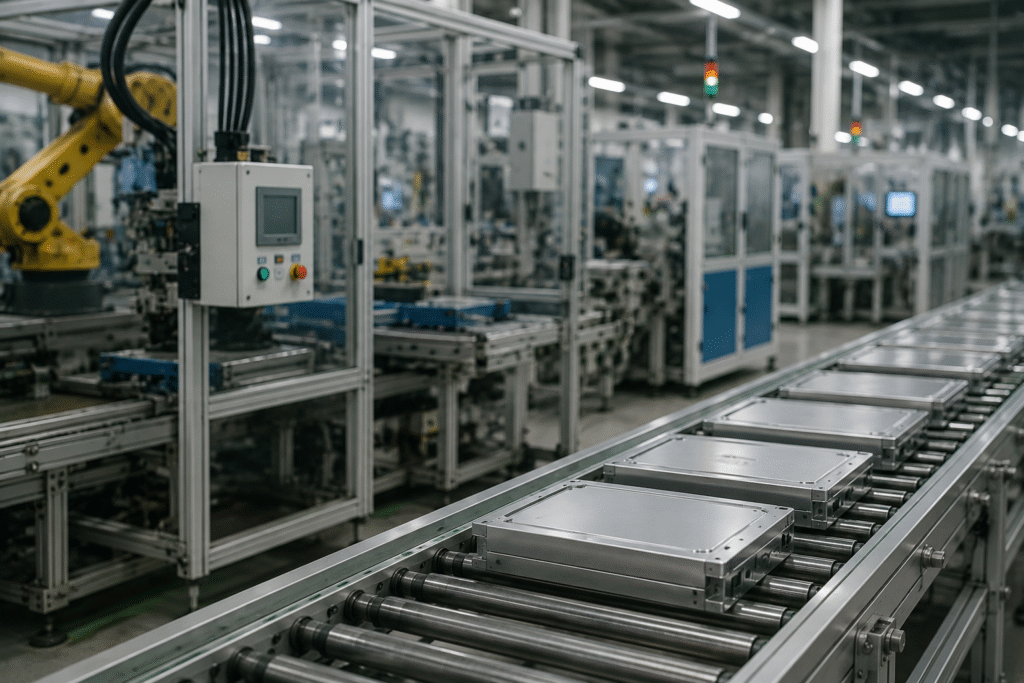
The Chairman of the CPPA shared his insights on India’s sodium-ion battery ecosystem in an…

Sustained political will and timely implementation are essential to ensure that electoral promises translate into…


In Short: India is racing toward a high-tech, clean-energy future, driven by ambitious climate goals and a push for domestic manufacturing. However, beneath the surface of this progress lies a critical bottleneck. While significant strides have been made in exploring and mining critical minerals, a vital midstream link, processing and refining, remains fundamentally missing. To…
In Short: The resurgence of geopolitical conflict in the Middle East, punctuated by disruptions in the Strait of Hormuz, has exposed the structural vulnerabilities inherent in India’s energy supply chains. With significant volumes of crude oil, liquefied natural gas (LNG), and liquefied petroleum gas (LPG) delayed or stranded, the crisis has swiftly transmitted into domestic…

The Chairman of the CPPA shared his insights on India’s sodium-ion battery ecosystem in an article published by Dhanam Online. He discussed the challenges associated with developing the technology and highlighted policy measures that could strengthen domestic manufacturing. According to Dhanuraj, India’s dependence on China for hard carbon—a key material used in sodium-ion batteries—remains a…

Sustained political will and timely implementation are essential to ensure that electoral promises translate into long-term dignity and security for Assam’s tea garden communities Constituting nearly 20 per cent of the electorate and influencing outcomes in over 35 constituencies, Assam’s tea community was the most courted voting bloc of the 2026 Assembly election cycle. The…

In the run-up to the 2026 Kerala elections, fishing communities became one of the state’s most actively courted constituencies. Political parties announced housing schemes, insurance coverage, harbour projects, and welfare measures across Kerala’s 600-kilometre coastline, where over 10.65 lakh people depend on fisheries for their livelihoods. The attention was politically understandable. Coastal communities represent both…
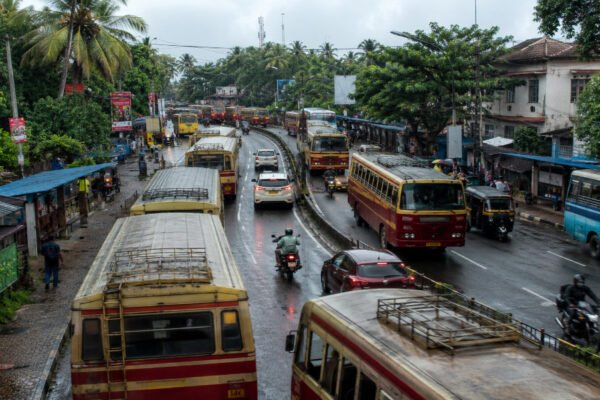
The phrase “public interest” is one of the most frequently invoked justifications in transport policy and perhaps one of the least clearly defined. Under Section 99 of the Motor Vehicles Act, 1988 (and the earlier Section 68C of the Motor Vehicles Act, 1939), state governments are empowered to nationalise road transport services if they believe…

The CPPA, authored an opinion article in The Week examining the geopolitical implications of China’s launch of the World Artificial Intelligence Cooperation Organisation (WAICO) and its significance for India’s role in global AI governance. The article discusses how China’s WAICO initiative reflects its efforts to shape international AI governance through a multilateral platform. It examines…

Traditionally dependent on oil, the UAE has been diversifying into sectors such as Artificial Intelligence (AI) (Alghannam 2026), most notably through its National Strategy for Artificial Intelligence 2031. Since 2024, it has invested $147 billion in AI (Arab Weekly 2025) to build an AI economy, but it lacks the talent to match its capital. India…

There was a time when political participation in India was relatively easy to identify. Citizens voted in elections, attended rallies, joined party organisations, wrote letters to newspaper editors, or participated in protests. Politics occupied a visible space in public life. Today, participation is harder to define. A college student who spends an hour watching political…

India hosted the fourth global AI summit in New Delhi from 16th to 21st February 2026, following Bletchley Park (2023), Seoul (2024), and Paris (2025) — the first in this series to be hosted by a developing nation. India’s framing around impact, putting People, Planet, and Progress at the center and organised through seven thematic…